Fire-Resistant Gloves
Why you need this: In disasters, heat-resistant gloves protect your hands from burns and debris so you can clear hazards and keep your family safe.Fire-Resistant Gloves: Safety Essentials, Buying Guide, and Proper Use
Fire-resistant gloves are specialized hand protection designed to resist flames, block heat transfer, and shield your skin from sparks and embers. In an emergency or a sudden everyday accident—like a flare-up on the grill, a small kitchen fire, or a hot engine component—these gloves can buy you critical seconds to act safely. They are a smart addition to home safety kits, vehicle emergency gear, workshop PPE, and outdoor equipment.
Unlike ordinary work gloves, fire-resistant gloves are engineered to slow ignition, char instead of melt, and insulate your hands so you can grip, move, or isolate hot objects with greater control. They do not make you “fireproof,” but they reduce the risk of burns and help you perform essential tasks—turning off a fuel valve, removing a smoldering item, or opening a hot door—without immediate injury.
Whether you’re preparing for natural disasters, maintaining equipment, or cooking over open flames, investing in proper hand protection improves safety and confidence when seconds matter.
How It Works
Fire-resistant gloves protect against heat in three primary ways: resisting ignition (so the surface doesn’t support flame), insulating (slowing heat transfer to your skin), and managing radiant and convective heat (reducing the intensity you feel during brief exposures). Many designs combine materials and layers to achieve the right balance of protection and dexterity.
- Heat- and flame-resistant shells: Typically made from treated leather or advanced fibers (such as para-aramids, meta-aramids, or carbon blends) that char rather than melt and self-extinguish when the flame source is removed.
- Insulating liners: Layers of wool, felt, fleece, or technical nonwovens that slow conductive heat transfer so you can tolerate contact with warm surfaces for short periods.
- Radiant heat control: Some gloves incorporate reflective or high-emissivity surfaces to reduce radiant exposure from open flames or hot metal at a distance.
- Reinforced seams and thread: Heat-resistant stitching helps the glove hold together when exposed to sparks, abrasion, and short-duration heat.
- Grip and dexterity features: Textured palms, pre-curved fingers, and ergonomic patterning help you maintain control of tools and hot objects.
- Cuff designs: Gauntlet-style cuffs add coverage to wrists and forearms and help keep sparks and debris out.
- Safety ratings: Reputable gloves are tested against recognized standards for flame resistance, contact heat, radiant heat, cut resistance, and abrasion.
When Fire-Resistant Gloves Help Most
- Natural disasters: Handling hot debris during wildfire embers fallout, shutting off gas after an earthquake, or moving smoldering materials after a structure fire (only when it’s safe to do so).
- Home and DIY accidents: Managing a small kitchen flare-up, removing a sizzling pan from a broiler, adjusting logs in a fireplace, clearing hot ash, or handling overheated appliance parts.
- Workplace and job sites: Welding, cutting, grinding, foundry work, metal fabrication, glasswork, maintenance near boilers or exhaust systems, and facilities where sparks or transient heat are present.
- Vehicles and roadside: Opening a warm hood, disconnecting a hot battery cable (with proper precautions), placing or retrieving road flares, or moving a hot muffler shield.
- Outdoor activities: Camping and overlanding (moving hot cookware or fire grates), tending campfires, charcoal grilling, handling firewood, and lighting fireworks with improved control.
Strengths, Suitability & Limitations
Strengths
- Short-duration heat handling: Lets you move, adjust, or isolate hot objects with reduced burn risk.
- Flame-resistance: Resists ignition and helps prevent melting and dripping.
- Improved grip and control: Textures and ergonomic patterns support safer handling under stress.
- Added abrasion and cut resistance: Many models also protect against scrapes and minor cuts.
- Coverage options: Gauntlet cuffs protect wrists and lower forearms from sparks and hot debris.
What It’s Not For
- Not a substitute for structural firefighting gear: Do not enter burning buildings or attempt firefighting without professional equipment and training.
- Not for live electrical work: Unless specifically rated for electrical insulation, assume no shock protection.
- Not for chemicals or cryogenic cold: Flame resistance does not equal chemical resistance or extreme cold protection.
- Not guaranteed for molten splash: Only certain specialized gloves are rated for molten metal; always verify the rating.
- Not for prolonged direct flame contact: These gloves provide time and tolerance, not unlimited exposure.
Limitations and safety considerations
- Heat buildup still occurs: If you feel warmth, stop and let the gloves cool—heat continues to conduct through layers.
- Wet gloves conduct heat faster: Moisture can drastically reduce thermal protection; keep gloves dry.
- Degradation over time: UV, oils, solvents, and abrasion wear down performance; inspect regularly and replace when compromised.
- Dexterity trade-offs: Higher heat protection usually means bulkier gloves; choose the balance that suits your tasks.
- Use with other PPE: Eye protection, sleeves, and non-melting clothing improve overall safety.
What to Look For When Buying Fire-Resistant Gloves
Selecting the right pair starts with the tasks you expect to face. Prioritize verified safety ratings, proven materials, and a fit that supports your dexterity. Beware of vague claims and too-good-to-be-true temperature numbers.
- Recognized standards: Look for ratings relevant to heat and flame (for example, EN 407 or ASTM heat/contact tests). For cut and abrasion, references like EN 388 or ANSI/ISEA levels are common. For specialized sectors, ensure compatibility with applicable industry standards.
- Materials that don’t melt: Treated leather, para-aramid and meta-aramid fibers, carbon or glass-based fabrics, and heat-tolerant liners. Avoid plastics that can melt and drip at high temperatures.
- Thermal design: Multi-layer insulation, reflective or high-emissivity outer features for radiant heat, and padding where you expect hot contact (palms, fingertips).
- Stitching and construction quality: Heat-resistant thread, double stitching in high-stress zones, and smooth, comfortable internal seams.
- Grip and control: Textured leather or high-temperature grip patterns that remain effective when slightly sooty or dusty.
- Cuff style and length: Gauntlet cuffs protect more of the forearm; shorter cuffs improve mobility. Choose based on your environment.
- Fit and sizing: Measure around the knuckles of your dominant hand and match manufacturer size charts. A snug but non-restrictive fit enhances dexterity and safety.
- Comfort and breathability: Liner materials that manage sweat and reduce heat stress make you more likely to wear the gloves correctly.
- Care instructions: Check cleaning guidance. Some gloves tolerate gentle washing; others require light brushing and air-drying only.
- Red flags for low-quality imitations: Wild temperature claims (e.g., “withstand thousands of degrees indefinitely”), missing or fake-looking certifications, flimsy stitching, melted-looking plastics, and strong chemical odors.
Placement, Storage & Readiness
Strategic placement makes it easy to grab and use gloves when you need them most. Keep them visible, dry, and accessible near heat sources and emergency tools.
- Home: Store a pair near the kitchen fire extinguisher, by the fireplace, and in the garage or workshop.
- Vehicle: Keep gloves with your roadside kit or in the trunk—useful for hot engine parts and flares.
- Outdoors: Stage a pair with camping and grilling gear so you aren’t tempted to handle hot items barehanded.
- Work: Keep gloves at workstations where sparks or hot surfaces are routine.
- Go-bag preparedness: Add a spare to evacuation kits for wildfire season or other emergencies.
- Storage conditions: Airy, dry, and out of direct sunlight. Avoid compressing insulation under heavy objects.
- Organization: Use a glove clip or carabiner to keep the pair together; label sizes so every family member finds a proper fit quickly.
- Inspection routine: Monthly checks for thinning, holes, hardened spots, cut seams, or degraded liners. Replace at the first sign of significant damage.
- After-use care: Let gloves cool fully, brush off debris, and air-dry if damp. Do not dry on open flames or hot surfaces.
How to Use It Properly
- Assess the situation first: Prioritize personal safety. If there’s active fire or significant smoke, evacuate and contact emergency services.
- Inspect the gloves: Check for holes, hard or glossy heat-damaged areas, broken stitching, or moisture. Do not use compromised gloves.
- Prepare yourself: Remove jewelry, secure sleeves, and use complementary PPE (eye protection, non-melting clothing).
- Don the gloves correctly: Seat fingers fully, adjust for a snug fit, and secure cuffs over sleeves to keep sparks out.
- Approach heat cautiously: Avoid direct flame. Limit exposure time, handle items briefly, and reposition for comfort and control.
- Maintain a safe grip: Use both hands for heavier or awkward items. Keep your path clear and communicate with others nearby.
- Monitor for heat transfer: If you feel warmth rising, set the item down safely and allow the gloves to cool before continuing.
- After the task: Step away from heat sources, remove gloves carefully, and let them cool fully in a safe spot.
- Inspect and clean: Look for damage or residue. Brush off debris, follow care instructions, and air-dry thoroughly.
- Restore readiness: Return gloves to their designated storage location so they’re immediately available next time.
Final Summary
Fire-resistant gloves are a practical, affordable upgrade to your safety toolkit—at home, on the job, on the road, and outdoors. By resisting ignition and slowing heat transfer, they help you act quickly and confidently during small emergencies and hot-handling tasks.
Choose gloves with credible safety ratings, durable construction, and the right balance of protection and dexterity. Keep them staged where you’ll actually use them, inspect them regularly, and practice safe handling habits.
Preparedness is about reducing risk before danger escalates. A well-chosen pair of fire-resistant gloves can turn a hazardous moment into a controlled response—and that can make all the difference.
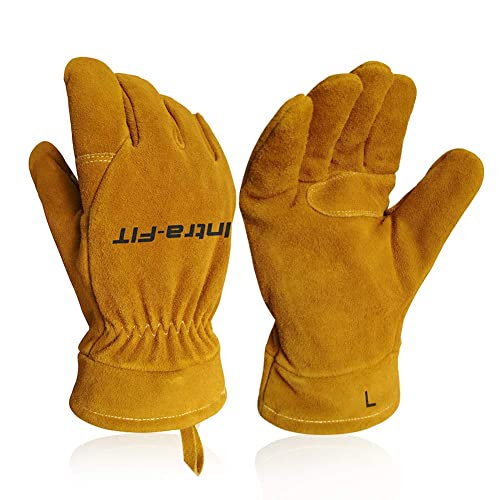
Wildland Fire Fighter Glove,NFPA 1977 Heat Resistance,Flame Resistance,Fire-fighting Gloves for Safety and Protection Best for most families
- Heat-resistant barrier lowers risk from brief flame, sparks, and hot surfaces.
- Secure grip helps manage extinguishers, hot handles, and slippery debris.
- Hand and wrist coverage reduces cuts when clearing glass and metal fragments.
- Preserves dexterity for shutoff valves, door latches, breakers, and first aid tasks.
 info@emerggear.com