Fire-Resistant Pants
Why you need this: Because emergencies hit without warning, this emergency gear keeps you prepared and protects your family when power, services, and help are unavailable.Fire-Resistant Pants: A Complete Guide to Protection, Buying Tips, and Safe Use
Fire-resistant pants are specialized garments designed to reduce burn risk by resisting ignition, limiting flame spread, and helping fabric self-extinguish when the heat source is removed. Unlike everyday clothing that can melt, drip, or continue burning after exposure, this protective workwear is engineered to minimize thermal injury during brief, intense exposures such as flash fires, welding sparks, or arc flashes. They are valuable for high-risk jobs, emergency preparedness, and even common household tasks that occasionally introduce flame or high heat.
Choosing fire-resistant pants is not about expecting constant danger; it is about risk reduction in the moments that matter most. From a sudden grease flare-up to a quick grind-and-spark project in the garage, these pants help lower the severity of burns and provide crucial extra seconds to move to safety. In emergency situations—like evacuating through areas with embers or heat—FR clothing can be the difference between a near miss and a serious injury.
In short, fire-resistant pants support a layered safety strategy by complementing other protective equipment. They are not “fireproof,” but they are a smart, proactive measure for everyday accidents and high-risk workplaces alike.
How It Works
Fire-resistant pants protect you by slowing ignition and reducing heat transfer. Materials used in FR garments either have inherent resistance (the fibers themselves won’t support combustion) or durable treatments that help the fabric char and self-extinguish rather than burn freely. Many also avoid melting and dripping—key hazards of conventional synthetics—so heat and flame exposure is less likely to stick to the skin and worsen injuries.
- Self-extinguishing behavior: When the ignition source is removed, the fabric is engineered to stop burning instead of continuing to flame.
- Thermal insulation and char formation: The material forms a protective char layer that slows heat penetration and reduces burn severity.
- No-melt, no-drip performance: Proper FR fabrics are designed not to melt onto skin, a common cause of severe burns with regular synthetics.
- Arc-flash and flash-fire considerations: Many FR pants are tested to industry standards that measure how much incident energy (cal/cm²) they can withstand before reaching burn injury thresholds.
- Durability and laundering: Quality FR fabrics retain their protective properties over many wash cycles when cared for correctly, maintaining consistent performance.
When Fire-Resistant Pants Help Most
- Natural disasters and evacuations: Evacuating near wildfires, passing through areas with windblown embers, navigating structures with residual heat after a small blaze, or dealing with earthquake-related gas leaks that could ignite.
- Home accidents: Kitchen grease flare-ups, backyard grilling, using fire pits or space heaters, DIY projects that create sparks (grinding, cutting, soldering), or handling hot engine parts and exhaust components.
- Workplace hazards: Welding, cutting, and brazing; oil and gas operations with flash-fire risk; electrical tasks with arc-flash potential; foundry and metal fabrication; maintenance work near hot processes; industrial environments where hot slag or spatter occurs.
- Vehicles and roadside situations: Emergency repairs near a hot engine or exhaust, battery issues that could spark, or roadside work where flammable fluids may be present.
- Outdoor activities: Camping and overlanding near open flames, chainsaw work where sparks can occur, brush clearing during fire restrictions, and controlled burns conducted by professionals.
Strengths, Suitability & Limitations
Strengths
- Reduced burn severity: Designed to self-extinguish and limit flame spread to help minimize injuries in short, intense exposures.
- No-melt performance: Helps avoid melted fabric adhering to skin, a common risk with standard synthetics.
- Standards-based protection: Many options are tested and certified for specific hazards like arc flash or flash fire.
- Comfort choices: Available in multiple fabric weights and blends to balance breathability, mobility, and durability for daily wear.
- Layering compatibility: Works as part of a larger safety system with FR shirts, jackets, and additional PPE.
What It’s Not For
- Not structural firefighting gear: Fire-resistant pants are not a substitute for specialized bunker gear or turnout ensembles.
- Not chemical or biological protection: They do not provide chemical splash or hazardous material protection unless specifically rated for it.
- Not rated for all molten metal hazards: Certain molten-metal environments require garments with specialized splash resistance beyond general FR specs.
- Not invincible: Extended contact with open flame, intense radiant heat, or exposures beyond the garment’s rating can still cause injury.
Limitations and safety considerations
- Certification matters: Protection depends on the standards met (for example, arc-flash or flash-fire ratings). Using the wrong category for the hazard reduces safety.
- Contamination risk: Oils, fuels, and certain chemicals can compromise FR performance. Contaminated garments should be cleaned or retired.
- Undergarments count: Non-FR synthetic base layers can melt under heat. Opt for FR or natural-fiber underlayers as recommended.
- Wear and tear: Holes, thinning fabric, or damaged seams reduce protection. Inspect routinely and replace when compromised.
- Heat stress: Heavier fabrics are protective but can be warmer. Hydration, rest breaks, and breathability must be managed in hot environments.
What to Look For When Buying a Fire-Resistant Pants
Focus on independently verified protection, appropriate materials for your hazards, and a build that stands up to real-world use. Be cautious of low-quality imitations and vague claims that say “fireproof.” The right pair of fire-resistant pants will clearly list testing standards and performance details.
- Certification and ratings: Look for recognized standards relevant to your risks, such as arc-flash or flash-fire testing. Check for category/ATPVs or energy ratings and ensure they align with your tasks.
- Material type: Consider inherent FR fibers (such as aramid and modacrylic blends) versus treated cotton blends. Inherent fibers maintain FR properties for the life of the garment; treated fabrics offer value but require proper laundering to preserve performance.
- Fabric weight and comfort: Choose a weight that balances protection and climate needs. Lighter weights for hot conditions; heavier or layered options for greater durability and insulation.
- Thermal and arc performance: Review the garment’s stated performance (for example, incident energy or category ratings) relative to your environment.
- Construction quality: Favor double or triple-stitched seams, FR thread, bar-tacked stress points, reinforced knees and seat, and covered metal closures that won’t heat up against skin.
- Fit and mobility: A gusseted crotch, articulated knees, and an ergonomic cut improve movement and reduce snags. Proper fit keeps cuffs and hems from dragging or catching.
- Pockets and utility: Tool pockets, secure closures, and compatibility with kneepads or belts can boost productivity without compromising safety.
- Antistatic properties: For certain industries, antistatic or ESD features can reduce ignition risks from static discharge.
- Labeling transparency: Legitimate FR garments provide clear labels with standards, care instructions, and sometimes wash-cycle durability information.
- Beware of misleading claims: Avoid items that only say “flame retardant” or “fireproof” without listing test methods, pass/fail criteria, or certification details.
Placement, Storage & Readiness
To get real value from fire-resistant pants, store and maintain them so they are immediately accessible, clean, and fully protective. Good readiness turns a protective garment from “nice to have” into a practical, everyday safety layer.
- Keep them accessible: At home, stage a clean pair in your go-bag or by the exit with other emergency essentials. At work, keep them in your locker or assigned PPE station.
- Avoid contamination: Store away from oils, fuels, solvents, and aerosol overspray that can degrade FR properties.
- Protect from UV and heat: Prolonged direct sunlight and high-heat storage can reduce fabric longevity. A cool, dry, ventilated area is ideal.
- Routine inspection: Check for holes, frayed seams, thread breaks, burned spots, and thin areas at knees or cuffs. If damaged, repair with FR materials or replace.
- Dedicated laundering: Follow the label. Use recommended detergents, avoid bleach and fabric softeners, and wash separately from heavily linted garments to prevent smoldering lint contamination.
- Log your care: For professional settings, keep a simple record of inspections and wash cycles so you know when performance could be nearing end-of-life.
- Stage complementary PPE: Keep FR shirts or jackets, gloves, eye protection, and boots nearby to build a complete ensemble when needed.
How to Use It Properly
- Identify your hazard: Determine if you face flash-fire, arc-flash, hot work, or incidental heat. Select fire-resistant pants with ratings appropriate to that risk.
- Inspect before donning: Check for damage, contamination, or missing labels. Do not use compromised garments.
- Choose the right base layers: Wear FR or natural-fiber undergarments. Avoid non-FR synthetics that can melt under heat.
- Put them on correctly: Fasten all closures, secure the waistband, and ensure cuffs are not dragging. Tuck in loose drawstrings and remove dangling items.
- Integrate with other PPE: Pair with FR tops, protective footwear, gloves, and eye/face protection suited to your task.
- Work smart around ignition sources: Maintain safe distances, control sparks, and follow lockout/tagout and hot-work procedures.
- After any exposure: Move to a safe area, let the garment cool, and inspect for damage or contamination before re-use.
- Launder promptly: Clean according to the care label, avoiding softeners and bleach. Remove fuel or oil contamination immediately.
- Retire when necessary: Replace if the fabric thins, tears, or loses labels and certification markings, or if involved in a significant heat event.
Safety reminder: Fire-resistant pants are a vital part of an overall safety plan, not a guarantee against injury. Always follow workplace procedures, use proper PPE, and obtain task-specific training.
Final Summary
Fire-resistant pants are a practical, proven way to reduce burn risk during everyday tasks and high-hazard work. By resisting ignition, self-extinguishing after exposure, and avoiding dangerous melting, they offer critical protection in the crucial seconds of an emergency. The key is to choose properly certified garments, store and maintain them correctly, and wear them as part of a complete safety system.
If you work near sparks, heat, or open flame, or you want an extra margin of safety in emergencies, well-chosen fire-resistant pants are a smart investment in your preparedness. Focus on certifications, fabric quality, and build details; avoid vague, unverified claims; and follow care instructions to preserve performance. With the right pair, you’ll be ready for both everyday surprises and the unexpected moments when protection matters most.
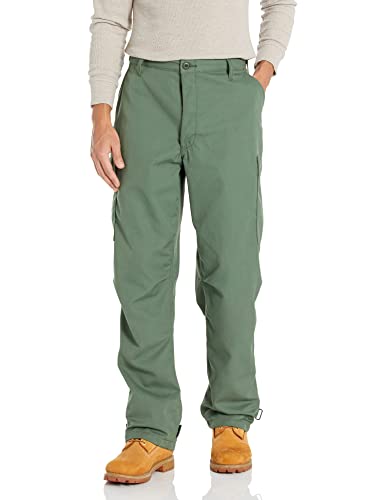
Propper Unisex-Adult Wildland Flame Resistant PantPant Best for most families
- Self-extinguishing fabric that will not melt or drip under heat.
- Reduces burn severity versus cotton during flash-fire or radiant heat exposure.
- Maintains protection after repeated laundering; flame resistance is durable when care instructions are followed.
- Clear arc/thermal ratings guide selection; not a substitute for firefighting turnout gear.
 info@emerggear.com