Fire-Resistant Shirt
Why you need this: In wildfire or urban emergencies, a flame-resistant shirt helps prevent burns and keeps embers out, protecting you and your family during evacuation.Fire-Resistant Shirt: Protection, Buying Guide, and How to Use
A fire-resistant shirt is protective apparel designed to resist ignition, self-extinguish once a flame source is removed, and reduce burn injury from short-duration exposures to heat, flame, or electrical arc. Unlike everyday clothing that can ignite, melt, and drip onto the skin, a fire-resistant shirt is engineered to help you stay safer during emergencies and common mishaps.
This type of garment matters because most burn injuries begin when ordinary clothes catch fire. In everyday life, that might be a kitchen flare-up, a candle mishap, or a sudden spark from power tools. On the job, it could be a welding splash, arc flash, or flash fire event. A fire-resistant shirt helps buy precious seconds to move away, extinguish small ignition points, and avoid severe burns. It is not about fear—it’s about layering practical protection into normal routines at home, at work, and outdoors.
It’s important to understand that “fire-resistant” does not mean fireproof. The goal is to reduce the likelihood of clothing igniting and limit heat transfer long enough to escape, not to allow you to stand safely in open flame. Combined with safe habits and proper training, a fire-resistant shirt is a smart, lightweight way to upgrade your personal safety without changing how you live or work.
How It Works
Fire-resistant shirts rely on fibers and fabric constructions that are either inherently resistant to flame or have been treated to slow ignition and self-extinguish. When exposed to a brief heat source, the fabric is designed to char rather than melt and to form an insulating barrier that helps shield the skin from thermal energy.
- Inherent vs. treated fibers: Some fabrics are made from fibers that are naturally flame resistant, while others are cotton or blends that have undergone specialized FR treatments. Inherent fibers maintain their protective qualities for the life of the garment, while treated options require proper care to preserve performance.
- Self-extinguishing behavior: When the heat source is removed, the fabric is engineered to stop burning on its own, reducing the chance of continued flame spread.
- No melt, no drip: Fire-resistant materials are formulated to avoid melting or dripping, which can otherwise worsen burns.
- Char layer formation: The fabric swells and chars, creating a thicker barrier that slows heat transfer to the skin.
- Thermal and arc ratings: Many FR shirts carry standardized ratings such as ATPV/EBT (for arc flash energy, measured in cal/cm²) or thermal protective performance values to indicate how much energy the garment can help withstand.
- FR-compliant construction: Seams, threads, labels, buttons, snaps, zippers, reflective trim, and pocket materials are often specified to be flame resistant to ensure the entire garment performs consistently.
The result is a shirt that significantly reduces the severity of burns from brief exposures, giving you time to react, move away, and protect yourself.
When the Fire-Resistant Shirt Helps Most
Real-world use cases span from everyday life to demanding work environments. The more you move between heat sources, tools, vehicles, and outdoor hazards, the more practical a fire-resistant shirt becomes.
- Natural disasters: Wildfire evacuations, downed power lines after storms, gas leaks following earthquakes, and structure fires triggered by extreme weather.
- Home accidents: Kitchen grease flare-ups, candle or incense mishaps, space heater incidents, grill or smoker flarebacks, and holiday fireworks.
- Workplace risks: Electrical arc flash exposures, welding and cutting operations, utilities and linework, oil and gas sites, chemical handling areas where flash fire is a concern, and manufacturing tasks involving heat.
- Vehicles and transit: Vehicle engine fires, battery thermal events, roadside repairs with hot components, and motorsports environments.
- Outdoor activities: Campfires, brush clearing and burn piles, field maintenance, metalwork in the yard, and backcountry cooking setups.
- Emergency response and volunteer efforts: Community cleanup after storms, CERT activities, or helping neighbors where electrical and fuel hazards may be present.
Strengths, Suitability & Limitations
Strengths
- Reduces burn severity: Self-extinguishes and limits flame spread to help prevent severe injuries.
- No melt or drip: Avoids molten polymers contacting skin, a common cause of deeper burns with everyday synthetics.
- Works like normal clothing: Comfortable, wearable protection that fits seamlessly into daily routines.
- Standardized protection: Many garments are tested and labeled to recognized safety standards, making comparisons more informed.
- Layer-friendly: Pairs with fire-resistant pants, base layers, and outerwear for a cohesive protective system.
What It’s Not For
- Not structural firefighting gear: It will not protect against prolonged, high-radiant heat or direct flame immersion.
- Not chemical protective clothing: Does not provide chemical permeation resistance.
- Not suitable for molten metal splash environments without garments rated specifically for that hazard.
- Not a substitute for training and other PPE: Eye, hand, and respiratory protection may still be required.
Limitations and safety considerations
- Contamination can compromise protection: Fuel, oil, or solvent saturation can make any garment flammable; remove and clean or retire if heavily contaminated.
- Improper laundering reduces performance: Avoid bleach, fabric softeners, or high-heat ironing unless permitted by the care label.
- Fit matters: Garments that are too tight reduce insulating air space; overly loose shirts can snag and create new hazards.
- Ratings must match the hazard: Ensure arc or flash fire ratings are appropriate for your tasks and environment.
- Wear with non-melting base layers: Avoid ordinary polyester, nylon, or spandex next to skin where heat exposure is possible.
What to Look For When Buying a Fire-Resistant Shirt
Choosing the right fire-resistant shirt is about verifying safety, fit, comfort, and durability. A few focused checks go a long way toward ensuring you’re getting genuine protection.
- Compliance and labels: Look for clear labeling that indicates compliance with recognized standards (for example, standards addressing flash fire or arc flash). Check for an arc rating (ATPV/EBT) in cal/cm² when electrical hazards are a concern.
- Fiber and fabric type: Decide between inherent FR fibers (protection is part of the fiber itself) and treated FR fabrics (cotton or blends treated for FR performance). Inherent FR tends to be longer lasting; treated options can be cost-effective when properly laundered.
- Fabric weight and climate: Midweights are versatile for most seasons, while heavier fabrics may offer more durability and insulation. Balance protection with breathability for your environment.
- Construction quality: Look for double or triple-needle stitching, reinforced stress points, and FR-rated thread, buttons, snaps, and zippers. Covered plackets and adjustable cuffs help seal out heat.
- Fit and mobility: A slightly relaxed fit preserves insulating air space. Articulated sleeves, underarm gussets, and longer shirt tails enhance movement and keep the shirt tucked during work.
- Comfort features: Moisture-wicking fabrics, breathable weaves, and tagless or FR-labeled soft neck tags reduce irritation and improve day-long wear.
- Visibility options: If you work near traffic or machinery, consider hi-vis colors and FR-compliant reflective trim tested for heat exposure.
- Durability and colorfastness: Check for abrasion resistance, shrinkage control, and dyes formulated for FR fabrics.
- Care guidance: Make sure laundering instructions are clear and practical for your routine; FR performance depends on proper care.
- Traceability and documentation: Look for batch numbers, care labels, and certification info from accredited testing—these details distinguish trustworthy products from counterfeits.
Beware of low-quality imitations. Lack of clear labeling, missing test data, or poorly finished seams are red flags. If a fire-resistant shirt seems suspiciously cheap for its claimed specs, proceed carefully—your safety is not the place to cut corners.
Placement, Storage & Readiness
Smart staging helps you use a fire-resistant shirt when it matters most. Treat it like part of your safety kit so it’s close at hand during urgent moments.
- Keep it accessible: Store one near your home’s main exit, in a workshop locker, or with your go-bag if you live in wildfire areas.
- Vehicle readiness: A spare in a duffel can help during roadside repairs or evacuation, but avoid long-term storage in extreme heat that can degrade fabrics over time.
- Stay clean and dry: Store away from fuels, oils, or solvents. Contaminants can compromise FR performance.
- Routine inspections: Monthly, and after any incident, check for holes, thin spots, shiny or stiffened areas from heat, seam failures, loose closures, or damaged reflective trim.
- Launder promptly: Follow FR-safe washing instructions; separate from heavily soiled industrial clothes to prevent cross-contamination.
- Retire when compromised: If arc- or flame-exposed, heavily contaminated, or structurally damaged, remove it from service and replace.
A little organization ensures that when you need your shirt, it’s ready, clean, and right-sized for quick use.
How to Use It Properly
- Choose the right rating: Match the shirt’s arc or flash fire rating to your hazards and tasks. When in doubt, consult applicable safety standards or your workplace safety program.
- Inspect before wearing: Check for rips, worn areas, missing buttons/snaps, compromised reflective trim, or contamination with oils or fuels.
- Select safe base layers: Wear non-melting fabrics next to skin (FR base layers or natural fibers when appropriate). Avoid ordinary polyester, nylon, or spandex where heat exposure is possible.
- Wear it correctly: Tuck the shirt in, close the collar and cuffs, and secure plackets. A sealed-up fit helps block hot gases and embers.
- Pair with other PPE: Use FR pants, gloves, eye and face protection, and hearing protection as required. Clothing protects best as part of a system.
- Maintain safe behavior: Keep distance from heat sources, manage cords and fuel containers, and follow lockout/tagout and hot work procedures when applicable.
- If ignition occurs: Stop, drop, and roll to smother flames. The FR fabric’s self-extinguishing properties help, but active response is still essential.
- Post-incident actions: Remove the shirt once safe, assess for damage or contamination, and launder per instructions. Retire if integrity is in doubt.
Safety reminder: A fire-resistant shirt reduces risk; it does not eliminate it. Always follow training, local regulations, and your employer’s PPE program.
Final Summary
A fire-resistant shirt is a practical layer of protection that helps prevent clothing from becoming fuel. Whether you’re prepping for wildfire season, managing home projects, or working around electrical and heat hazards, this simple garment can dramatically cut the severity of burns and give you crucial seconds to react.
When evaluating options, focus on verified safety standards, quality construction, appropriate ratings, and comfort that encourages daily wear. Stage it where you’ll actually use it, inspect it regularly, and retire it if damaged. Add a fire-resistant shirt to your preparedness plan and you’re taking a smart, tangible step toward safer workdays, safer adventures, and a safer home.
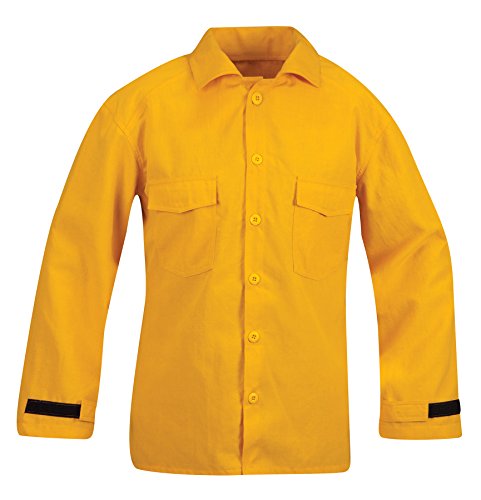
Propper Wildland Shirt Tecasafe Plus Yellow Best for most families
- Self-extinguishing fabric limits flame spread and reduces after-flame time.
- Resists melting and dripping, lowering secondary burns during close exposure.
- Reduces heat transfer in brief, high-heat exposures, buying critical seconds for egress.
- Low-bulk, full-coverage design layers under PPE without restricting movement.
 info@emerggear.com