Gas Mask
Why you need this: You need this emergency gear to protect loved ones and stay safe when disaster disrupts power, supplies, and access to help.Gas Mask Essentials: Protection, Use, and Buying Guide
A gas mask is a full-face respirator designed to protect your lungs and eyes from harmful airborne hazards such as smoke, dust, chemicals, and biological aerosols. When used with the correct filter and a proper face seal, a gas mask can reduce exposure during emergencies and certain everyday accidents, buying you crucial time to evacuate or shelter safely. In preparedness planning, a gas mask is best viewed as a tool for temporary protection that complements other safety measures like evacuation routes, first aid supplies, and communication plans.
Why it matters: inhalation risks are among the fastest ways for a hazard to affect your health. Whether it’s wildfire smoke, a household chemical spill, or a worksite irritant, a gas mask can help cut down exposure to particulates and some gases or vapors. The full-face design also shields the eyes—important for irritants that cause tearing or burning—so you can maintain visibility and composure as you move to safer ground.
Used responsibly, a gas mask can help in short-duration, known-threat scenarios. It is not a cure-all and does not create oxygen, but it can significantly reduce breathing hazards when chosen and used correctly.
How It Works
A gas mask combines a sealed facepiece with replaceable filters (often called cartridges or canisters). Air is drawn through the filter during inhalation, which removes particulates and—depending on filter type—adsorbs or neutralizes certain gases and vapors. Exhalation valves vent warm, moist air outward to reduce fogging and heat buildup.
- Facepiece and seal: A soft, flexible skirt (often silicone or rubber) seals to the face. A proper seal is essential; facial hair, scars, or poor sizing can cause leaks.
- Lens/visor: A clear, impact-resistant window protects the eyes and provides visibility.
- Filters: Particulate filters capture dust, smoke, and aerosols; chemical filters use activated carbon and other media to capture specific gases or vapors. Combination filters handle both.
- Valves: One-way inhalation and exhalation valves control airflow and help maintain comfort.
- Harness: Adjustable head straps distribute weight and hold the mask in place under movement.
Filter performance is specific to hazard type and concentration. For example, particulate filters are rated for smoke and dust, while multi-gas canisters target organic vapors, acid gases, ammonia, and more. Always match the filter to the hazard and follow relevant safety guidance.
When a Gas Mask Helps Most
- Natural disasters: Wildfire smoke and ash; volcanic ash fall; post-storm demolition dust; industrial releases triggered by earthquakes.
- Home accidents: Irritant fumes from cleaning product mishaps, aerosolized contaminants from sanding or cutting materials, accidental solvent spills in a garage or workshop.
- Workplace situations: Unexpected odors or irritants during maintenance, light demolition dust, laboratory or shop incidents where evacuation is in progress. (Follow workplace safety programs first.)
- Vehicles and transit: Tunnel smoke from a vehicle fire, nearby cargo spill, or airflow contaminated by irritants while you move to an exit.
- Outdoor activities: High-particulate days (dust storms, controlled burns), exposure to crowd-control irritants when you need to relocate to cleaner air.
In every case, a gas mask is most effective when it’s paired with a plan to get to fresh air quickly, not as a means to remain in a hazardous environment.
Strengths, Suitability & Limitations
Strengths
- Full-face protection shields lungs and eyes from particulates and certain gases/vapors.
- Replaceable filters allow tailoring to specific hazards and cost-effective reuse of the facepiece.
- Wide field of view and features like exhalation valves and voice diaphragms improve comfort and communication.
- Useful for short-term escape and hazard avoidance during evacuations and cleanups.
What It’s Not For
- Not for oxygen-deficient environments or unknown, immediately dangerous conditions. For those, specialized supplied-air equipment is required.
- Not for structural firefighting or intense heat exposure; it will not supply oxygen or protect from high levels of carbon monoxide.
- Not designed for children or people with facial hair that breaks the seal.
- Not for underwater use or protection against ionizing radiation (it only helps with radioactive particulates, not radiation itself).
Limitations and safety considerations
- Correct filter selection is critical; the wrong canister provides a false sense of security.
- Filters have a service life; breakthrough can occur when they are saturated, damaged, or expired.
- Requires proper fit and user seal check every time it’s donned.
- High exertion, extreme temperatures, or heavy contamination can overwhelm performance.
- Vision, hearing, and communication can be reduced; plan and practice accordingly.
What to Look For When Buying a Gas Mask
Focus on proven design, quality materials, clear documentation, and standards compliance. Beware of low-quality imitations that look the part but lack reliable performance.
- Fit and sizing: Masks typically come in multiple sizes. A good fit is essential for a proper seal. Look for adjustable, sturdy head harnesses and nose cups that reduce fogging.
- Facepiece material: Silicone or high-quality rubber for comfort and durability; a clear, impact-resistant lens with anti-fog features enhances visibility.
- Filter compatibility: Consider masks that accept standardized connections (for example, common 40 mm threaded interfaces) so you can source compatible filters more easily.
- Filter options: Availability of particulate (e.g., P2/P3/P100) and multi-gas canisters (for organic vapors, acid gases, ammonia, etc.). Combination filters are useful for mixed hazards like smoke plus vapors.
- Certifications and standards: Check for recognized respiratory protection standards (for example, regional standards for full-face respirators and gas/vapor filters). Authentic labeling, lot numbers, and manuals indicate better quality control.
- Build quality: Robust buckles and straps, smooth exhalation valves, uniform seals, and a lens that resists scratching. Poor molding, strong chemical odors, or sloppy seams can be warning signs.
- Comfort and usability: Weight distribution, field of view, ability to communicate (voice diaphragm), and optional accessories like spectacle kits or outserts.
- Documentation and support: Clear instructions, shelf-life information, and filter color-coding charts are essential for correct use.
Warning: Counterfeit or substandard masks and filters may carry fake markings. Prioritize traceable manufacturing information, clear date codes, and consistent quality indicators. If in doubt about a mask’s origin or certification, do not rely on it for protection.
Placement, Storage & Readiness
Where and how you store your gas mask can determine whether it actually helps during an emergency.
- Strategic placement: Keep masks where you spend time—home entryway, bedroom, office drawer. For vehicles, use a protective case and consider temperature limits.
- Filter storage: Store unopened, sealed filters in a cool, dry place away from sunlight, ozone sources (like electric motors), and chemicals. Opened filters should be sealed in airtight bags and treated as having a limited service life.
- Avoid heat and UV: Excessive heat, direct sun, and ozone degrade rubber and plastic parts, reducing performance.
- Labeling and organization: Assign each mask to a specific person and size; label bags with names, filter type, and expiration dates.
- Inspection schedule: Monthly quick checks for cracks, stiff straps, valve condition, mold, lens clarity, and intact gaskets. Verify filter packaging and dates.
- Staging: For fastest deployment, pre-stage the mask and keep filters accessible. Many users store canisters sealed to preserve life and practice quick attachment.
- Accessories: Keep nitrile gloves, wipes, anti-fog cloth, and a printed quick-start card with the kit.
- Training: Practice donning and seal checks. Time yourself; aim for calm, consistent execution.
How to Use It Properly
- Assess the situation: If the atmosphere may be oxygen-deficient or unknown/immediately dangerous, evacuate. A gas mask does not supply oxygen.
- Select the correct filter: Choose a filter rated for the specific hazard (particulate, multi-gas, or combination). Check expiration dates and packaging integrity.
- Inspect the mask: Examine straps, valves, and lens for damage. Confirm cleanliness and readiness.
- Prepare to don: Move toward cleaner air if possible. Tie back long hair, remove anything that interferes with the seal, and put on gloves if contamination is suspected.
- Attach the filter(s): Remove caps or plugs, thread or snap the filter securely, and ensure gaskets are seated properly.
- Don the mask: Place chin in the chin cup, pull the harness over your head, and tighten straps evenly from bottom to top. Do not overtighten.
- Perform a user seal check: Cover the filter inlet(s) and inhale gently to create negative pressure—if the mask collapses slightly with no inward leak, the seal is likely good. Then exhale gently while covering the exhalation route to check for leaks.
- Operate and monitor: Breathe normally and watch for signs of breakthrough (odor, taste, irritation). If you suspect breakthrough or feel dizzy, leave the area immediately.
- Doff and decontaminate: In a safe area, remove the mask by loosening straps from the bottom up. Wipe the facepiece with mild soap and water, allow it to dry, and store. Bag or dispose of contaminated filters per local guidance—do not wash filters with water.
- Reset and document: Inspect again, note any damage or filter use, and restock supplies so the kit is ready for next time.
Safety reminders: No facial hair at the seal line. Do not modify the mask. Practice regularly. When in doubt, prioritize evacuation and professional guidance.
Final Summary
A gas mask is a practical, high-impact addition to a preparedness kit when matched with the right filters and used correctly. It protects your airway and eyes against smoke, dust, and certain gases and vapors, helping you move to safety with clearer vision and fewer irritants. Its value comes from fit, training, and readiness as much as from the equipment itself.
Choose quality, verify standards, store it correctly, and practice donning until it’s second nature. With a thoughtful plan and the right accessories, a gas mask can be the difference between panic and a controlled, effective evacuation when the air around you suddenly becomes a hazard.
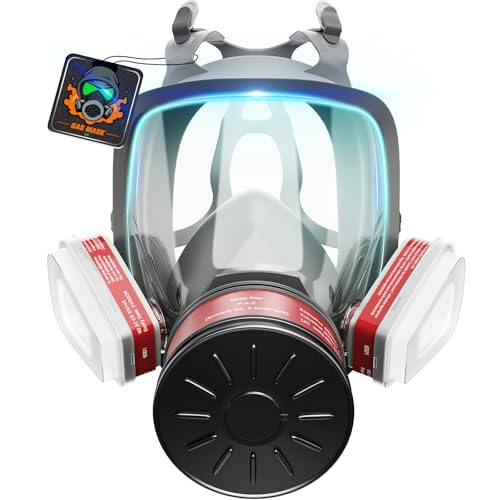
Parcil Distribution Gas Mask Survival Nuclear and Chemical Full Face Respirator - Organic Vapor & Particulate - CE Tested Best for most families
- When paired with CBRN-certified canisters, filtration reduces exposure to toxic gases, vapors, aerosols, and smoke.
- Full-face coverage shields eyes and airways, improving survivability in contaminated-air evacuations.
- Replaceable canisters support extended incidents and rapid hazard adaptation.
- Predictable protection when properly fit-tested, seal-checked, and maintained; not for oxygen-deficient atmospheres.
 info@emerggear.com