Respirator Mask
Why you need this: You need an N95 mask to protect your lungs from wildfire smoke and airborne debris during disasters, keeping your family breathing safely.N95 Mask Guide for Everyday Safety and Emergency Preparedness
An N95 mask is a tight-fitting, filtering facepiece respirator designed to reduce your exposure to airborne particles. In simple terms, it helps filter out tiny particles you can’t see, including smoke, dust, and aerosols. Whether you’re building an emergency kit, preparing for wildfire season, or handling a messy home project, a well-fitted N95 mask can be a small, affordable tool with big protective value.
Unlike loose-fitting face coverings, an N95 mask is engineered to create a reliable seal around your nose and mouth. When used correctly, it can help during emergencies (wildfires, post-disaster cleanup, dust storms), everyday accidents (spills that kick up dust, broken insulation, garage projects), and work tasks (sanding, sweeping, demolition) by limiting what you inhale. It is important to remember that an N95 mask only targets particulates; it does not protect against gases, vapors, or low-oxygen environments.
Think of it as a purpose-built layer of defense that is portable, dependable, and quick to deploy. Kept in your home, workplace, car, and go-bag, an N95 mask can help you act faster when the air suddenly turns dusty or smoky. As with all protective gear, it works best when you understand its strengths, its limits, and how to use it properly.
How It Works
An N95 mask is a multi-layer, disposable respirator made from specialized non-woven material. The middle layer is typically an electrostatically charged filter that captures airborne particles through a combination of mechanical and electrostatic mechanisms. When sealed to your face, air is drawn through the filter—not around the edges—reducing what you breathe in.
- Filtration efficiency: The N95 standard targets at least 95% filtration of very small test particles under lab conditions when the mask is properly fitted.
- Electrostatic capture: The filter media carries an electrostatic charge that helps attract and trap particles that might otherwise slip through.
- Multiple mechanisms: Particles are captured by diffusion (for the tiniest), interception, and impaction (for larger particles), increasing overall effectiveness.
- Fit matters: A snug seal around your nose and cheeks is essential. Even the best filter won’t help if air leaks around the edges.
- Breathable design: Properly designed masks balance filtration with airflow to make breathing manageable during normal activities.
- Difference from common masks: Cloth or surgical-style masks are generally loose-fitting; an N95 mask is a tight-fitting respirator intended to reduce airborne particle exposure when fit is correct.
When the N95 Mask Helps Most
- Natural disasters: Wildfire smoke and ash, dust storms, volcanic ashfall, post-earthquake debris cleanup, and post-flood mold remediation where particulate control is needed.
- Home accidents and DIY: Sanding wood, cutting drywall, sweeping old attics or basements, handling insulation, and cleaning up powdery spills that kick up dust.
- Workplace situations: Construction sites, demolition areas, renovation projects, and workshops where sawdust, cement dust, or other nuisance particulates are present (always follow workplace regulations and training requirements).
- Vehicles: Keep spare masks in your glove box or emergency kit for unexpected smoke, roadside dust, or tunnel exhaust during traffic incidents. Note: prolonged heat in cars can degrade materials—rotate and inspect regularly.
- Outdoor activities: Yard work such as mowing, leaf blowing, and trimming; high-pollen days; dusty trails; urban haze or air-quality advisories where particulate matter is elevated.
Strengths, Suitability & Limitations
Strengths
- High-efficiency particulate filtration when correctly fitted and worn.
- Portable and fast to deploy for sudden air quality issues at home, at work, or on the go.
- Cost-effective preparedness item that adds real value to emergency kits.
- Versatile use cases spanning disasters, cleanup, and day-to-day DIY tasks involving dust and smoke.
What It’s Not For
- Gases and vapors: Does not protect against carbon monoxide, solvents, or chemical fumes—those require different respirators and cartridges.
- Low-oxygen or immediately dangerous environments: Not suitable for firefighting, confined spaces, or toxic atmospheres.
- Facial hair or poor fit: Beards and stubble can break the seal and significantly reduce protection.
- Children or very small faces: N95 masks are typically designed for adults; proper fit may not be achievable on children.
- Heavy industrial hazards like asbestos: Specialized respirators and training are required.
Limitations and safety considerations
- Must be properly fitted and worn for effectiveness; perform a seal check each time.
- Breathing resistance may increase during heavy exertion; stop if you feel dizzy or short of breath.
- Moisture, makeup, and facial oils can reduce the seal; keep skin clean and dry where the mask contacts your face.
- Mask materials can degrade with heat, humidity, and time; inspect before use and replace if damaged.
- Valved versions reduce exhalation resistance but may not be suitable where source control is required.
What to Look For When Buying a N95 Mask
Choosing the right N95 mask comes down to verified protection, fit, comfort, and build quality. Here are important considerations to help you compare options with confidence.
- Certification and markings: Look for proper N95 approval markings printed on the mask itself (not just the packaging), including the standard, approval number, and manufacturer name. Counterfeits often lack accurate markings or include misspellings.
- Fit-focused design: Most approved N95 respirators use two headbands (top and bottom) to maintain a seal. Ear-loop designs claiming N95 status warrant extra scrutiny, as they may struggle to achieve a consistent seal.
- Shape and size: Cup-shaped and fold-flat styles fit differently. If you have a smaller or larger face, look for models that offer sizing or are known to accommodate your facial structure.
- Nose bridge and foam: A moldable nose clip and soft nose foam help reduce gaps and improve comfort—especially for glasses wearers who want to minimize fogging.
- Comfort features: Elastic quality, strap width, interior texture, and overall weight matter if you’ll wear the mask for longer periods.
- With or without exhalation valve: Valves can increase comfort by reducing humidity and heat inside the mask, but they are not appropriate where controlling exhaled breath is important.
- Material quality and build: Look for consistent edges, secure nose clips, and even filter layers. Poor glue joints, flimsy straps, or warped shapes are red flags.
- Intended environment: For settings with potential fluid splashes (e.g., certain healthcare tasks), look for a model rated for fluid resistance. For dusty DIY projects, prioritize fit and durability.
- Packaging and storage: Individually wrapped masks resist contamination and make it easier to stage them in bags and kits.
- Counterfeit warning: Be wary of inconsistent branding, vague or missing approval numbers, claims that seem too good to be true, and packaging errors. If in doubt, don’t rely on it.
Placement, Storage & Readiness
Staging N95 masks across your daily life ensures you’ll actually have one when you need it. Distribute them where you spend time and check them periodically.
- Home: Keep a labeled box in your emergency kit and near exits for wildfire smoke or dusty cleanup tasks.
- Work: Store spares in your desk, locker, or toolbox. Follow workplace safety rules and training.
- Vehicle: Place a few in a glove box or door pocket for dust storms or smoke events. Rotate regularly because heat can degrade straps and adhesives.
- Go-bags and travel: Include individually wrapped masks to keep them clean and ready.
Inspection and rotation tips:
- Check straps for elasticity, mask shape for warping, and the nose clip for secure attachment.
- Replace masks that are dirty, wet, damaged, or hard to breathe through.
- Store in a cool, dry place out of direct sunlight; avoid crushing them for long periods.
- For limited reuse when appropriate, allow a mask to dry in a breathable container (like a paper bag) and avoid touching the inside surface.
Common mistakes to avoid:
- Leaving masks loose in dusty tool bags where they can become contaminated.
- Storing them in hot cars for months without inspection or rotation.
- Mixing clean and used masks in the same container.
- Expecting an N95 to block chemical fumes or provide oxygen in dangerous atmospheres.
How to Use It Properly
The steps below are a straightforward, educational overview. Always follow the instructions provided with your mask and any workplace safety procedures.
- Clean your hands. Wash or sanitize before handling the mask.
- Inspect the mask. Check for damage, soiling, broken straps, or a loose nose clip. Do not use a compromised mask.
- Identify the top. Most N95 masks have a moldable nose clip at the top.
- Position the mask. Cup it in your hand with the nose clip at fingertips, straps hanging below. Place it over your nose and mouth, chin tucked inside.
- Set the straps. Pull the top strap over and rest it high on the back of your head. Pull the bottom strap over and place it around the neck below the ears. Straps should not cross.
- Mold the nose clip. Using two hands, press the nose clip from the center outward to conform to your nose and cheeks. This step is crucial for a good seal.
- Seal check. Place both hands over the mask and inhale sharply—if it draws in slightly without leaks, the seal is likely good. Exhale—feel for air escaping around the nose or sides and adjust as needed.
- During use. Avoid touching the mask. If it becomes damp, dirty, damaged, or breathing becomes difficult, replace it.
- Remove safely. Clean your hands, then remove by the straps without touching the front. Store in a breathable container if reusing appropriately, or discard according to local guidance. Wash hands again.
- Know the limits. If you feel dizzy, short of breath, or unwell, step to fresh air and remove the mask safely. Do not use an N95 in low-oxygen or toxic-gas environments.
Final Summary
A properly chosen and well-fitted N95 mask is a high-impact addition to any emergency plan and a reliable tool for dusty projects and smoke events. It offers strong particulate filtration, packs easily into go-bags and vehicles, and helps you act decisively when air quality turns bad.
The key is preparation: learn how an N95 mask works, practice fitting it, store several where you live and work, and inspect them periodically. Pair this protection with good judgment—know what the mask can and cannot do—and you’ll be far better positioned to protect your lungs during emergencies and everyday accidents alike.
Bottom line: Choose verified protection, prioritize fit, keep spares, and be ready to deploy your N95 mask when the air demands it.
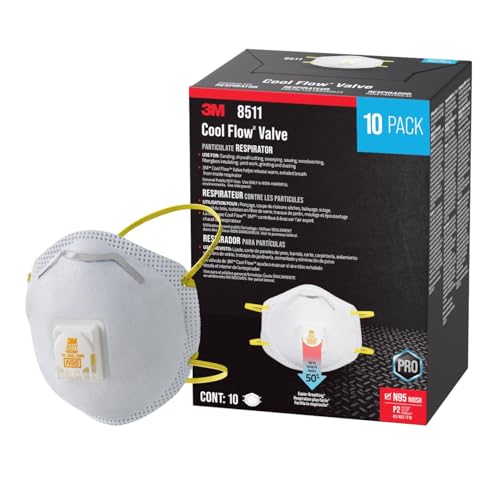
3M N95 Respirator 8511, Cool Flow Valve, 10 Pack, NIOSH-APPROVED, Advanced Filter Media For Easy Breathing, Comfortable For Long Periods Of Wear, Helps Filter Pollen, Mold Spores & Dust (8511PB1-A-PS) Best for most families
- Filters ≥95% of airborne particles when properly fitted; reduces exposure to smoke, ash, dust, and bioaerosols.
- NIOSH approval ensures tested filtration, breathability, and consistent performance under standardized protocols.
- Lightweight, compact, and disposable; stores easily in go-bags, vehicles, and shelter kits.
- Quick donning with nose bridge and dual straps enables reliable seal checks under stress.
 info@emerggear.com