Wildfire Goggles
Why you need this: Firefighting goggles shield eyes from heat and smoke during wildfires, keeping vision clear so you can evacuate safely and protect loved ones.Wildfire Goggles: Complete Guide to Protection, Buying Tips, and Safe Use
Wildfire goggles are specialized protective eyewear designed to shield your eyes from smoke, ash, blowing debris, and intense wind during wildfires and other high-particulate events. In an emergency, your vision can be compromised in seconds. Stinging eyes, tearing, and reduced visibility make it harder to evacuate, drive, or help others. The right pair of wildfire goggles creates a reliable barrier around your eyes so you can move safely and confidently when conditions deteriorate.
Beyond large-scale emergencies, wildfire goggles can help in everyday accidents and dusty tasks such as post-fire cleanup, yard work after a windstorm, or clearing debris around a property. They are also a smart addition to any go-bag, home emergency kit, and vehicle kit, because they pack small, weigh little, and can dramatically improve your safety during unexpected events.
It’s important to understand what wildfire goggles can and cannot do. They protect your eyes from particles and irritants, but they do not protect your lungs from smoke. Pair them with appropriate respiratory protection and follow official guidance for evacuation and safety. Used correctly, wildfire goggles are an affordable way to maintain visibility and reduce injury during disasters, roadside breakdowns, and cleanup work.
How It Works
Wildfire goggles provide a sealed or semi-sealed fit around the eyes using a lens, frame, and soft gasket that conforms to the face. This protective seal helps block ash and debris carried by strong winds and turbulent air created by nearby fires. Many designs use indirect vents that allow air exchange while minimizing particle ingress, and some include anti-fog coatings or double-pane lenses to maintain clear vision in humid, hot, or sweaty conditions.
Key mechanisms that keep your eyes safer include:
- Full-perimeter seal that closes gaps around the brow, nose, and cheeks.
- Impact-resistant lenses (often polycarbonate) that resist scratching and small impacts from debris.
- Indirect or filtered venting that reduces fog without letting in most dust or droplets.
- Adjustable straps that maintain a secure fit even when moving quickly or wearing headgear.
- Anti-fog treatments and lens designs to preserve visibility in fast-changing temperatures.
- Compatibility with masks and helmets to build a layered, all-around protective setup.
When The Wildfire Goggles Helps Most
- Natural disasters: Wildfires, bushfires, grassfires, dust storms, volcanic ash fall, and high-wind events that lift soot, sand, or debris into the air.
- Evacuations and sheltering-in-place: Moving through smoky neighborhoods, driving in low-visibility ash, or relocating between buildings.
- Home accidents and cleanup: Clearing ash from gutters, sweeping debris, removing damaged insulation, or cutting branches after a wind event.
- Workplace situations: Outdoor maintenance, utility and infrastructure repairs, construction sites, and disaster recovery operations where dust and fragments are common.
- Vehicles: Keeping a pair in the glovebox to handle roadside repairs, tire changes, or assisting others when windblown grit and smoke make it hard to see.
- Outdoor activities: Camping near smoky regions, controlled burns, trail work, or property defensible-space projects that stir up particulates.
Strengths, Suitability & Limitations
Strengths
- Eye-focused protection: Shields from ash, dust, embers, and irritants that cause tearing and blurred vision.
- Fast and simple: Easy to don in seconds, even under stress, and intuitive for adults and older children to use.
- Portable readiness: Lightweight and compact for go-bags, vehicle kits, and emergency caches.
- Layered safety: Works well with masks/respirators, hats, helmets, and hearing protection.
- Reusable: With proper care and cleaning, a quality pair can last through multiple events.
What It’s Not For
- Not a substitute for respiratory protection: Goggles protect eyes, not lungs; smoke and gases still require appropriate masks/respirators.
- Not structural firefighting gear: Consumer goggles are not designed for interior firefighting or close exposure to flames and high radiant heat.
- Not for corrosive chemicals or welding arcs: Specialized eyewear is required for hazardous chemicals, welding, or laser work.
- Not ballistic protection: Unless explicitly rated for high impact, do not rely on them for projectile hazards beyond dust and light debris.
Limitations and safety considerations
- Heat sensitivity: Some materials can deform or melt near high heat or sparks; maintain safe distance from flames.
- Fogging risk: Any sealed eye protection can fog; anti-fog coatings and indirect vents help but are not foolproof.
- Fit matters: Gaps reduce protection; facial hair, helmets, or caps can interfere with the seal.
- Visibility trade-offs: Tinted lenses help in bright sun but reduce visibility at dusk or night.
- Wear and tear: Scratched lenses, broken straps, or compromised gaskets reduce effectiveness and should be replaced.
What to Look For When Buying Wildfire Goggles
Quality varies widely. Focus on build, fit, and legitimate safety markings. The following features improve protection, comfort, and longevity:
- Safety standards: Look for recognized eye-protection standards such as ANSI Z87.1 (with markings like Z87 or Z87+ for high impact), EN166, or CSA Z94.3. For dust resistance under ANSI, markings like D4 (dust) or D5 (fine dust) indicate better particle protection. Verify that markings are clear and consistent.
- Lens material and coatings: Impact-resistant polycarbonate with anti-scratch hard coat is common. Reliable anti-fog treatment helps maintain visibility in humid or hot conditions.
- Venting style: Indirect vents or filtered vents balance airflow and dust protection; fully sealed designs offer maximum barrier but may fog faster.
- Seal/gasket quality: A comfortable seal (often silicone or a high-grade polymer) that conforms well to different face shapes reduces gaps and irritation.
- Heat-aware design: Materials that tolerate elevated temperatures without softening prematurely are advantageous for wildfire scenarios. Avoid flimsy plastics that warp easily.
- Field of view and clarity: A wide lens with minimal distortion supports better situational awareness, especially when moving or driving.
- Strap and adjustability: A durable, easy-to-adjust strap that remains stable during movement. Consider compatibility with hats, helmets, and hearing protection.
- OTG (over-the-glasses) compatibility: If you wear prescription glasses, ensure the goggles fit comfortably over them without pinching.
- Interchangeable or spare lenses: Replaceable lenses restore clarity if scratched and extend the life of the goggles.
- Lens tint options: Clear lenses for smoke, dusk, and nighttime; amber/contrast for hazy daylight; dark tints only for bright conditions.
- Weight and comfort: Lightweight frames and well-distributed pressure reduce fatigue during long wear.
- Documentation and markings: Authentic products include legible markings, instructions, and consistent labeling that corresponds to recognized standards.
Beware of low-quality imitations: Red flags include inconsistent or misspelled safety markings, no documentation, extremely low prices that defy expectations, poor lens clarity, flimsy straps, and a strong chemical odor. When protection matters, prioritize reputable, well-documented designs that clearly state their ratings.
Placement, Storage & Readiness
Wildfire response is time-critical. Keep your wildfire goggles where you can reach them fast:
- Home: Store near exits, in a hall closet, or with your household emergency kit. Place a pair for each person.
- Vehicles: Keep a set in the glovebox, center console, or trunk emergency kit for roadside evacuations or dusty breakdowns.
- Work and school: Include a pair in workplace or campus emergency kits if permitted.
- Go-bags: Pack goggles with masks/respirators, headlamps, and gloves so all protective items are together.
Maintenance tips to keep them ready:
- Inspect quarterly: Check for lens scratches, cracked frames, degraded seals, and stretched straps.
- Clean properly: Rinse dust with clean water, then use mild soap or a lens-safe cleaner. Avoid harsh solvents that may damage anti-fog coatings.
- Dry and store in a case: A microfiber pouch or hard case protects lenses from scratches and keeps dust off.
- Avoid heat extremes: Do not store on dashboards or in direct sun; excessive heat can warp plastic and weaken elastic straps.
- Label and stage: Mark sizes or names so each family member can grab the right pair quickly.
- Replace when needed: If the seal hardens, strap loses elasticity, or lenses stay cloudy after cleaning, replace them.
How to Use It Properly
- Assess and prioritize safety: If a wildfire threatens, follow evacuation orders first. Goggles improve eye safety but do not make hazardous areas safe to remain in.
- Inspect the goggles: Check lens clarity, seams, vents, and strap integrity. Confirm there are no cracks or gaps.
- Clean if dusty: Gently rinse to remove grit before wiping to avoid scratching.
- Adjust the strap: Loosen before donning. After placing the goggles on your face, tighten evenly until they feel snug without pressure points.
- Fit check: Ensure a uniform seal around the eyes with no gaps near the nose or temples. Move your head to confirm the seal stays consistent.
- Coordinate with other gear: Put on hats, helmets, or respirators so nothing lifts the goggles or breaks the seal. Adjust as needed.
- Manage fogging: If fogging occurs, safely step away from hazards, vent the goggles if design allows, and reduce exertion. Avoid wiping with dusty fabric.
- Use the right lens for light conditions: Clear for night or heavy smoke; darker tints only in bright daylight.
- After use: Rinse off ash and debris, wash gently, air dry, and store in a protective case. Inspect again before next deployment.
- Replace if compromised: Discontinue use if the lens is severely scratched, the seal is deformed, or the strap no longer holds tension.
Important reminders: Wildfire goggles protect your eyes but do not filter smoke from the air. Pair them with appropriate masks or respirators, stay aware of changing conditions, and evacuate early if advised by authorities.
Final Summary
When smoke, ash, and debris hit, protecting your vision is essential for safe movement and clear decision-making. Wildfire goggles create a protective barrier around your eyes, reduce irritation, and help maintain visibility in chaotic conditions. They are lightweight, affordable, and easy to stage in your home, vehicles, and go-bags—making them a smart addition to any preparedness plan.
Choose a well-built pair with verified safety markings, a comfortable seal, anti-fog features, and the venting style that fits your environment. Store them accessibly, inspect them regularly, and practice quick donning so they are truly ready. Your eyes are irreplaceable; equip them with reliable protection and stay prepared to act decisively when emergencies arise.
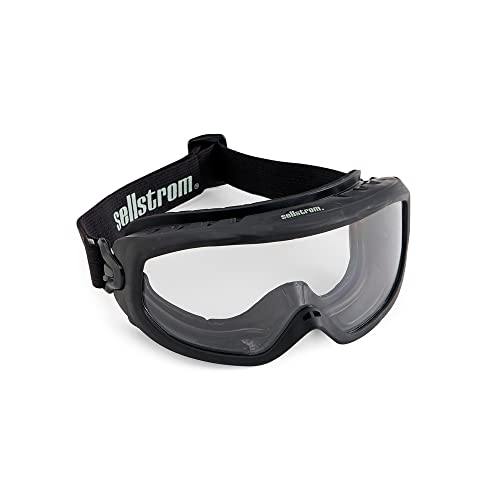
Sellstrom Odyssey II Wildland Fire Safety Goggles - Anti-Fog, Anti-Scratch Eye Protection Goggles for Men & Women - FR Strap, fits over Glasses, ANSI Z87.1 Best for most families
- Sealed perimeter limits particulate intrusion compared with open safety glasses.
- Anti-fog treatment helps preserve visibility during exertion and temperature swings.
- Shatter-resistant lenses guard against windborne fragments and brush impacts.
- Low-profile fit works with respirators and helmets for safer movement in chaos.
 info@emerggear.com